
Shifting market sands: LeoLabs moves to sell new mobile space radar directly to allies
LeoLabs also intends to deploy multiple Scout-S mobile phased array radars to fill gaps in its current network of 12 larger radar facilities around the globe.
LeoLabs also intends to deploy multiple Scout-S mobile phased array radars to fill gaps in its current network of 12 larger radar facilities around the globe.
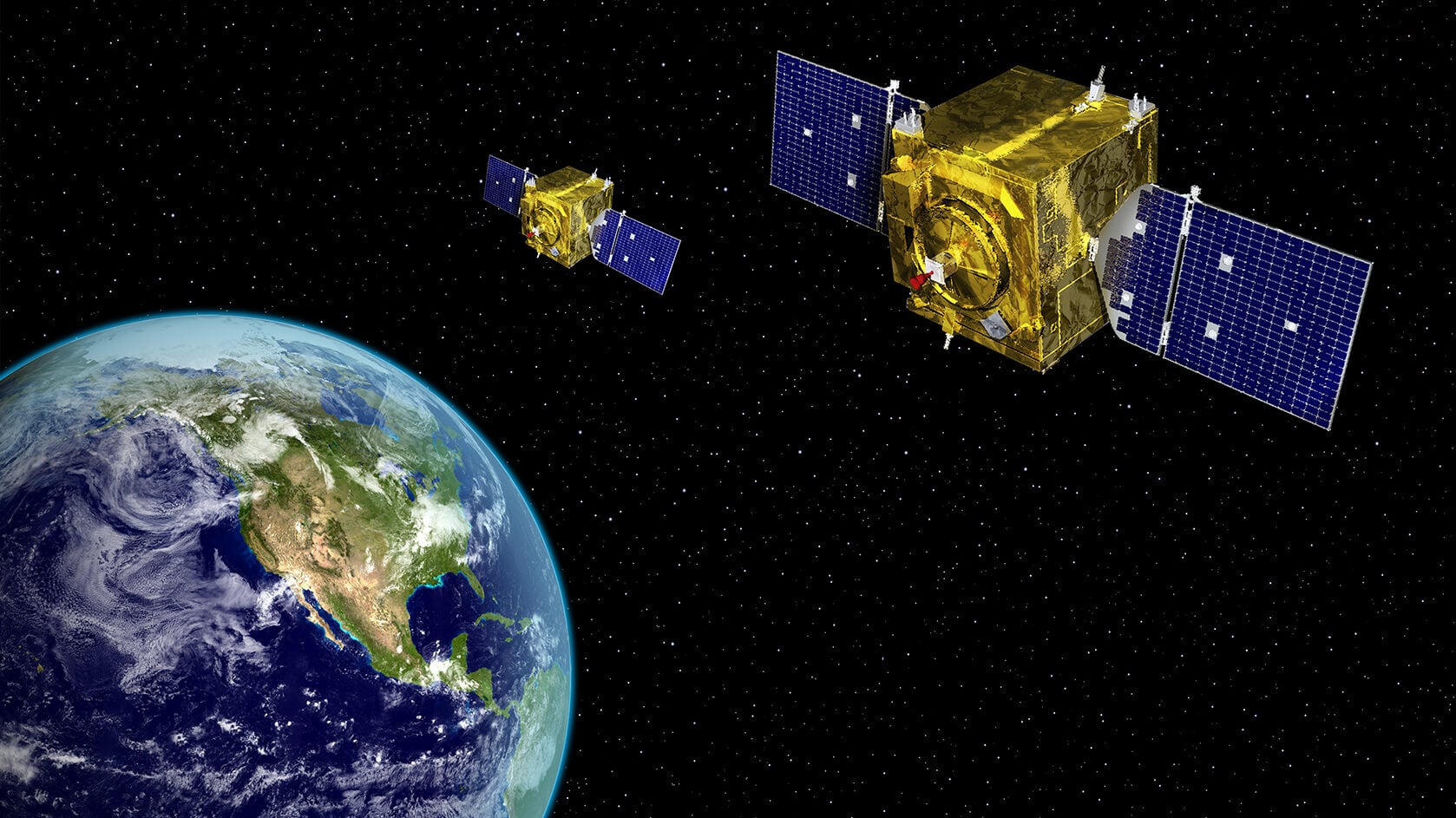
US Space Command has now completed two rendezvous and proximity operations with partners in Multinational Forces Operation Olympic Defender: France and Britain.


A commitment to long-term operational value.

“China has demonstrated that it wants to fundamentally alter the region's status quo," Hegseth said at the annual Shangri-La Dialogue security summit in Singapore. "We cannot look away and we cannot ignore it.”
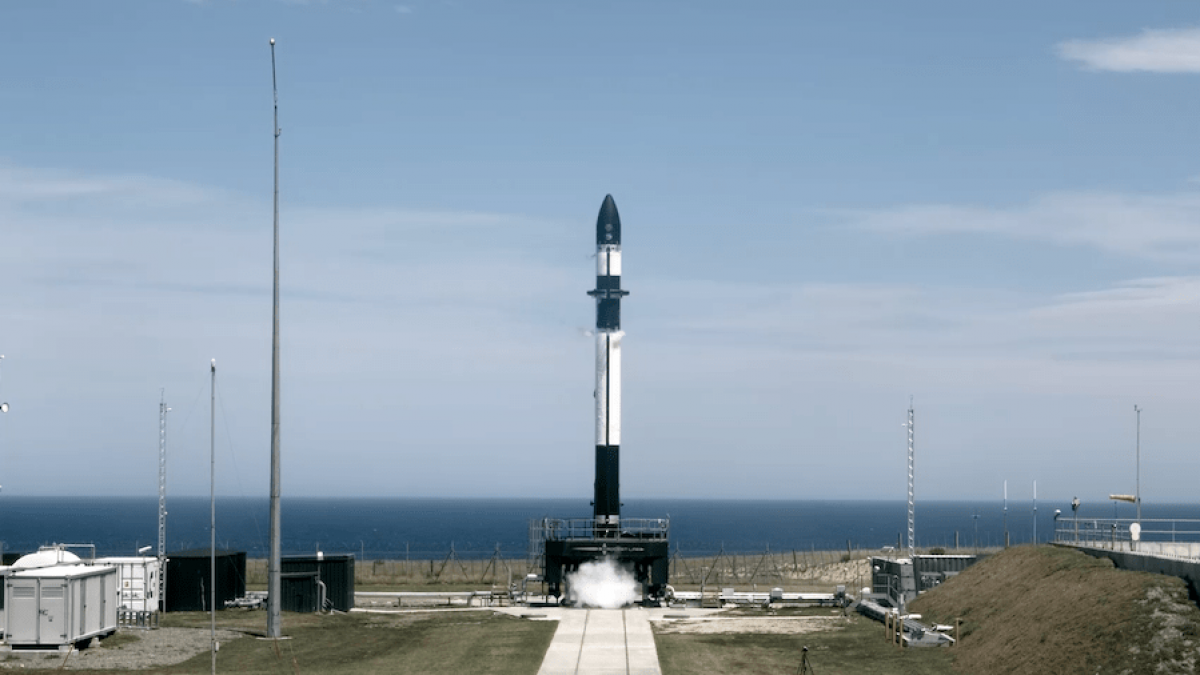
While not necessarily a near-term possibility, Brig. Gen. Kristin Panzenhagen said the Space Force is "looking at increasing the resiliency, increasing the ways that we have to get assured access to space, that's where the these initial discussions with our international partners are coming in."

The new report cautions the Space Force against an "over reliance" on commercial capabilities and worries that Space Force is not concentrating enough on the need to win future space conflicts not simply "endure" attacks.
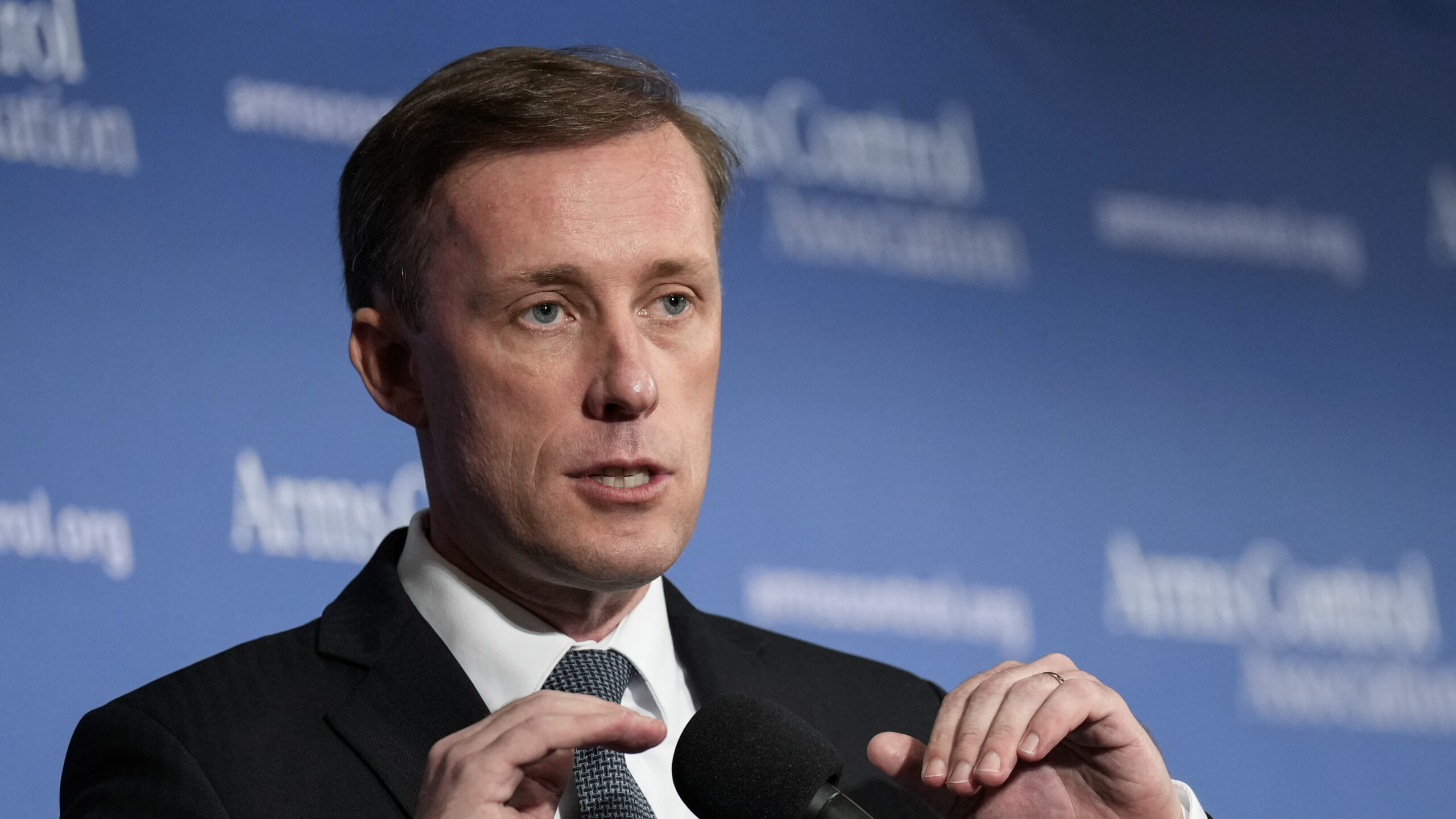
The new guidance "strengthens the U.S. ability to deter our adversaries, expands U.S. exports .... and broadens the scope of future space partnerships with U.S. allies and partners," one recent Biden official told Breaking Defense.


New threats, including downstream attacks, drive the need for improved tools to protect critical assets.

UK Air Marshal Paul Godfrey told the Center for Strategic and International Studies that his remit includes ensuring that there are clear "touch points" for allies and partners to interact with the nascent Space Force Futures Command.

Col. Mark Cobos, head of SMDC's 1st Space Brigade, told Breaking Defense in an Oct. 7 interview that the command and the brigade are already "making progress" in creating allied partnerships — starting with the United Kingdom.

Brig. Gen. Kyle Paul told Breaking Defense that rather than being a problem, technology now is helping the Space Force to find "opportunities" to enable wider information sharing through the ability to "compartmentalize" data within computer systems.
In his Commanders Note issued today, Gen. Chance Saltzman said the appointment marks the first time a foreign officer has been assigned to such a high position within a US service.


As threats continue to evolve, speed will increasingly depend on what is already available when the need emerges.
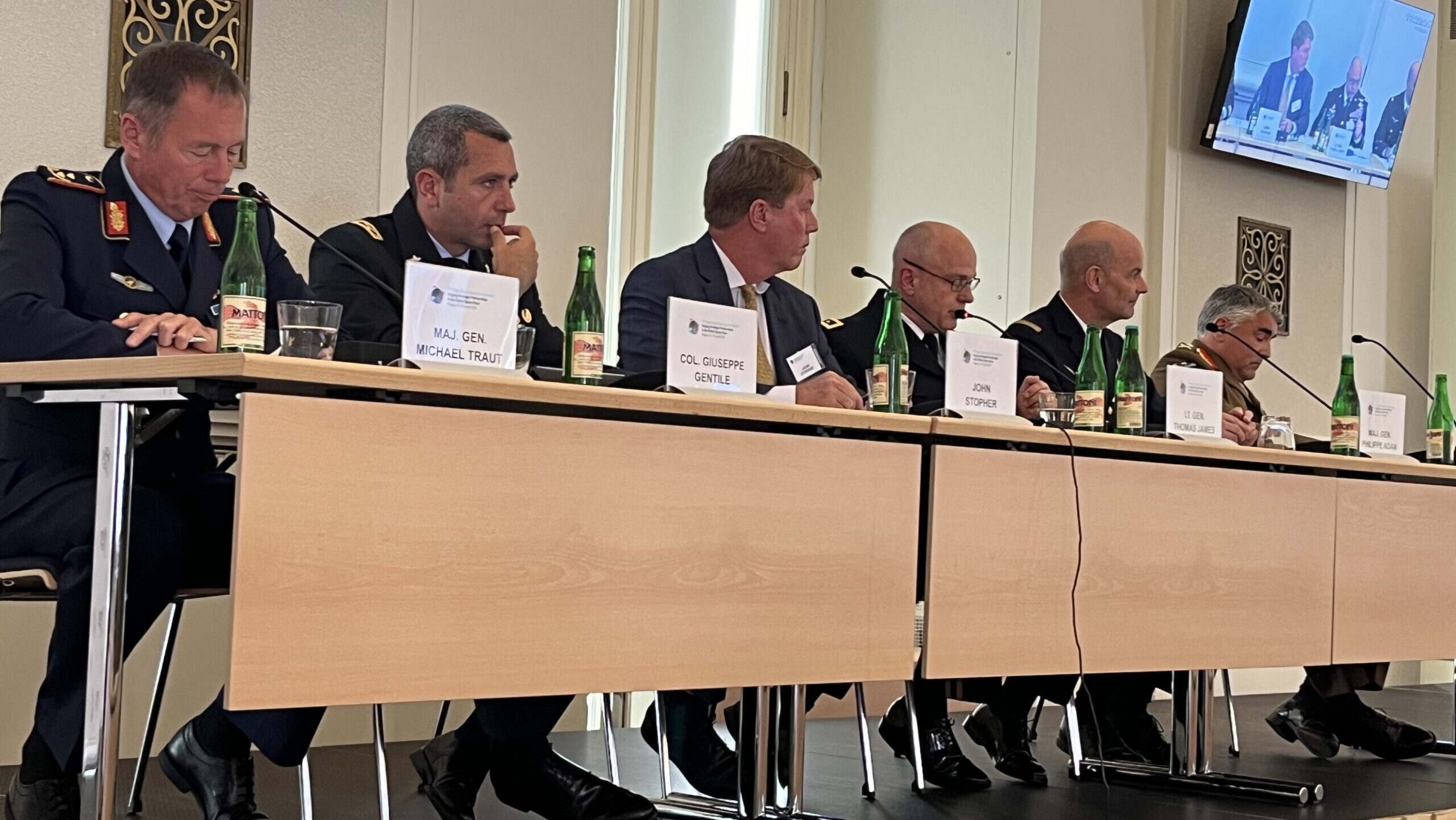
US Space Command's recently realigned and renamed Joint Commercial Operations cell is one example of successful joint operations, agreed the four European space leaders.

Hiding in the sun, launching mini satellites and radar absorbent materials are just some of the tricks nations are using to hide their military satellites in orbit.
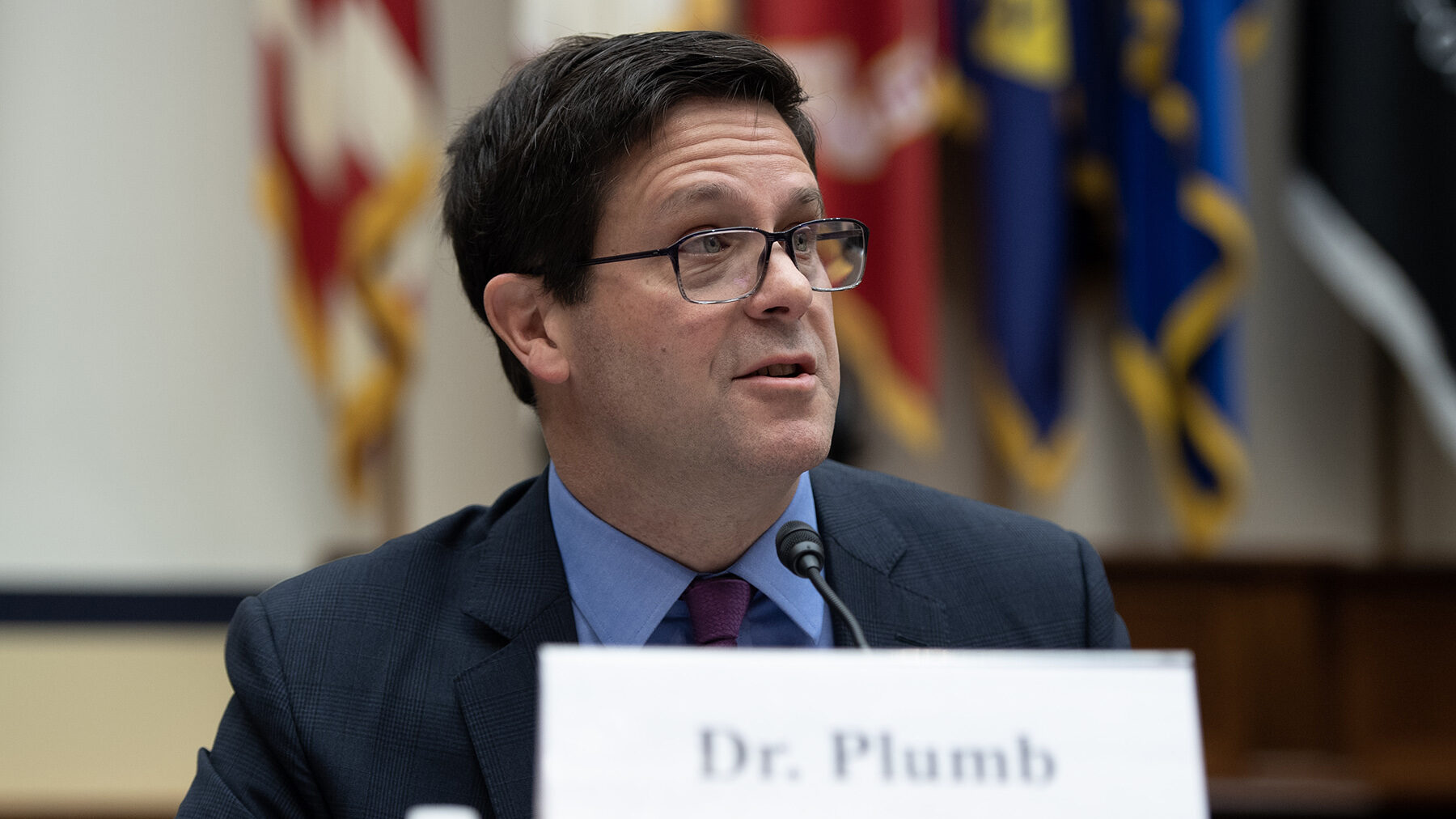
Under the new approach, there must be a technical rationale for stamping a space program as special access, not simply because of a service policy decision, said DoD space policy czar John Plumb.
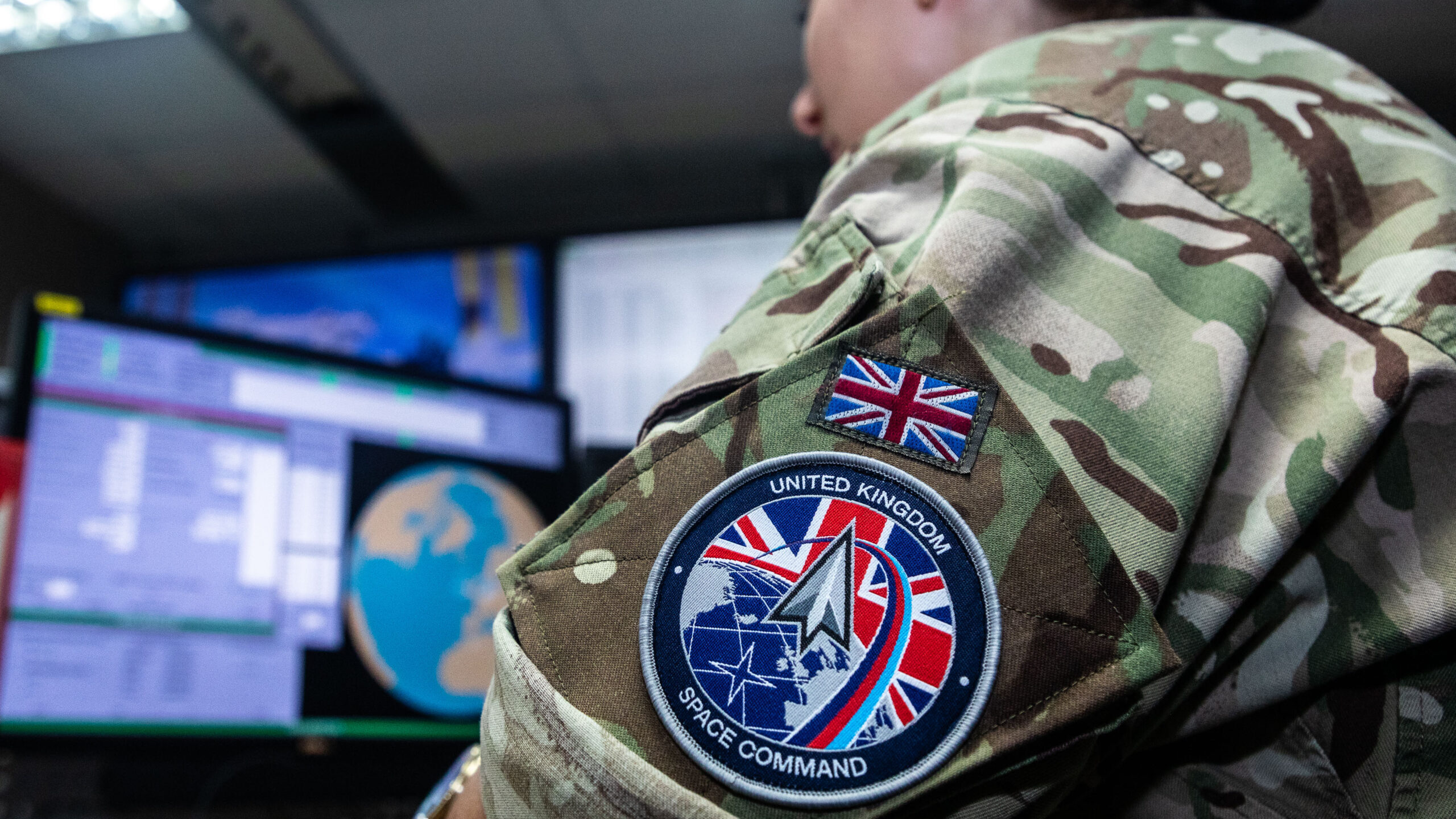
SSC Director of International Affairs Deanna Ryals told Breaking Defense that the primary goal of the first-ever "international reverse industry days" meeting is survey the landscape of needed allied space capabilities, and figure out where countries can help fill each other's gaps.